Pinecone Nexus
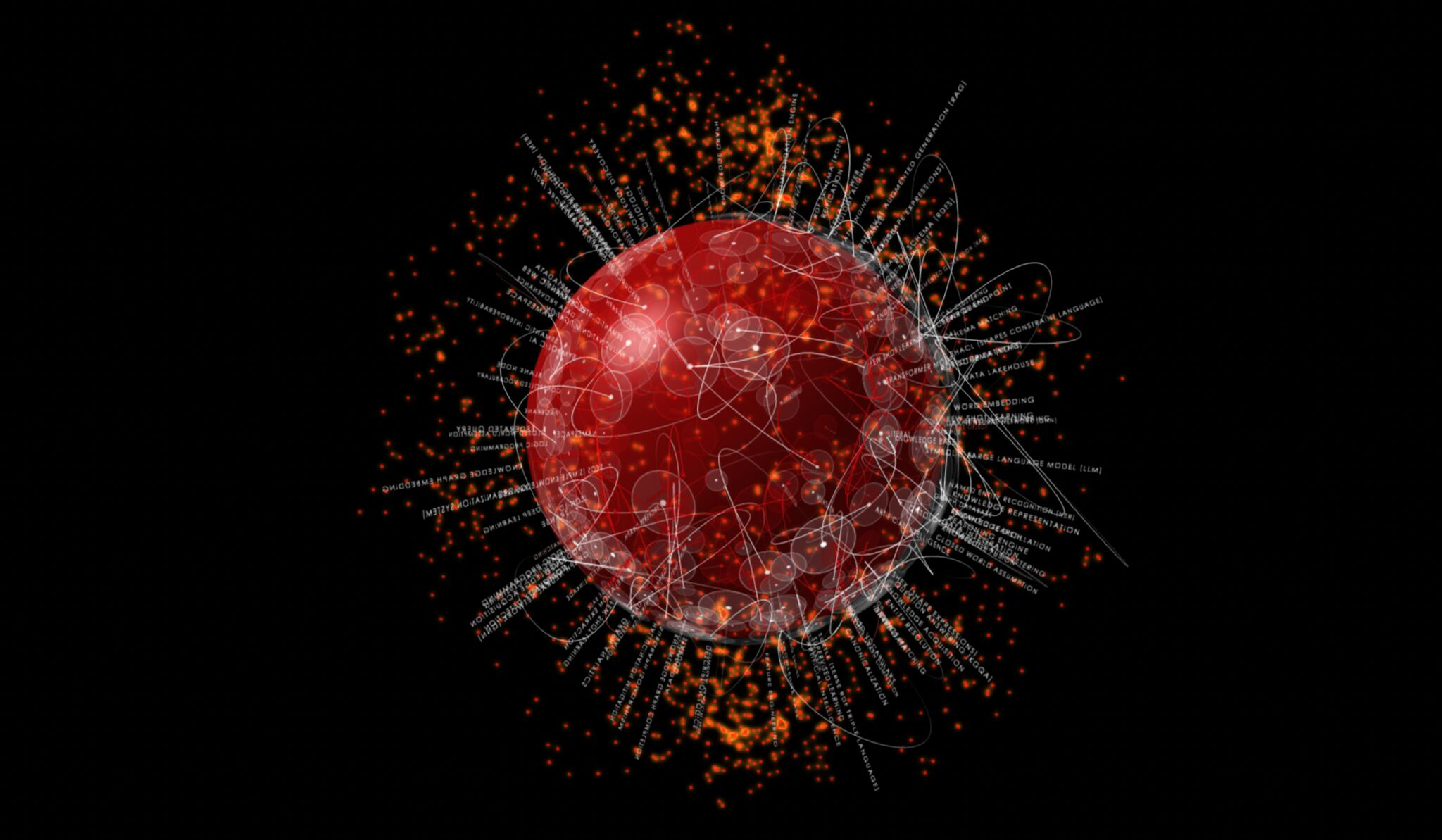
The core idea is elegant: stop making agents reason over raw chunks at inference time. Instead, compile your data into structured knowledge once, and serve typed, cited answers through a declarative query language called KnowQL.
The analogy they draw is like this: before SQL, every app built its own data layer. Agents are at that same inflection point. KnowQL is the attempt at a shared vocabulary.
The claimed numbers are bold: 30× faster task completion, 90% fewer tokens, task success rates above 90% (vs. ~50-60% with traditional RAG loops). What strikes me from a knowledge graph angle is how closely the Nexus architecture mirrors graph thinking, artifacts as typed nodes, contexts as subgraphs, citations as provenance edges. The “compile once, query N times” model is essentially materialized views over a knowledge structure. RAG as a pattern has always been a workaround. Nexus is betting (like pretty much every player, from Microsoft to Apple) that the right answer is a proper knowledge layer — not smarter retrieval, but less retrieval.